Starting IVF injections can feel intimidating. How many days will you need them? Will you need daily hospital visits? And what happens if a scan shows that follicles are growing more slowly than expected? Understanding the usual sequence can make planning easier.
Why are injections used during IVF?
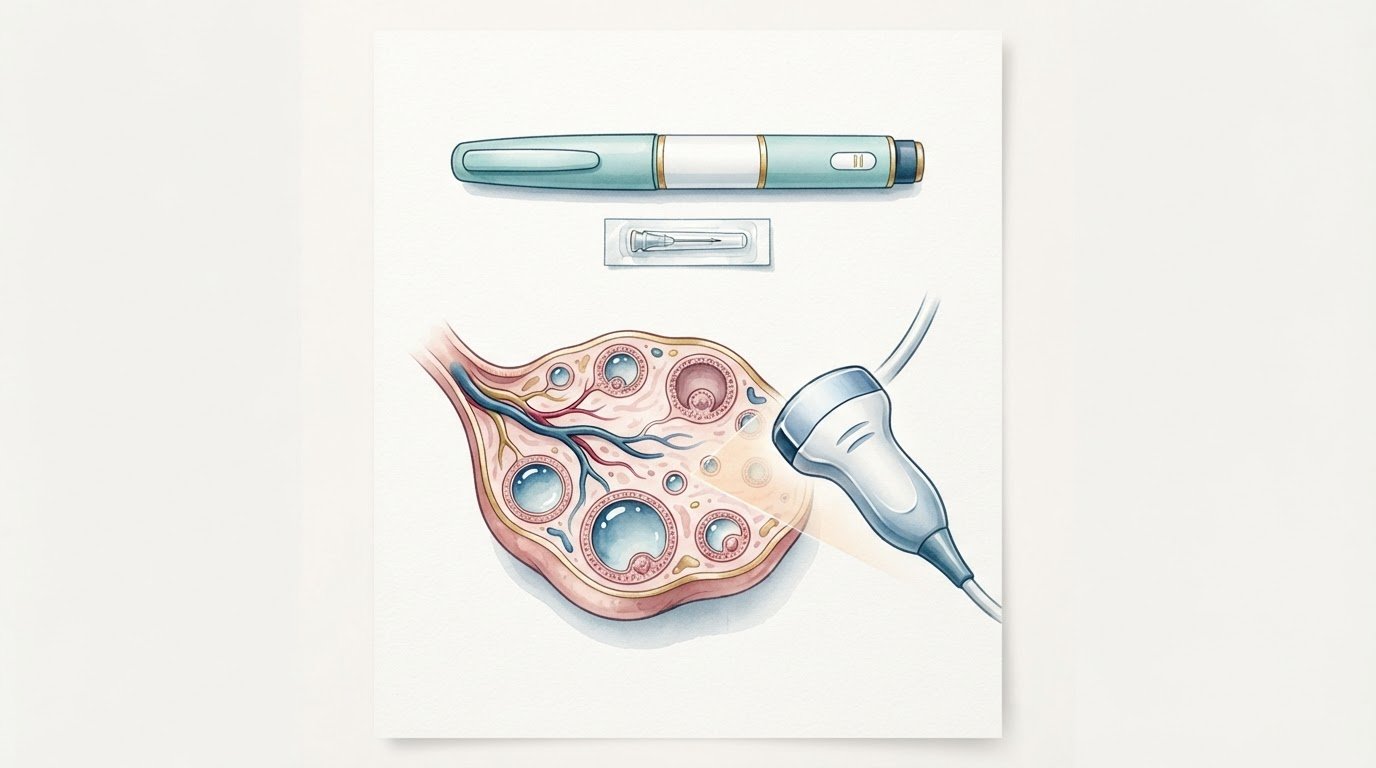
In a natural menstrual cycle, usually one follicle becomes dominant. During IVF, medicines containing follicle-stimulating hormone (FSH), sometimes combined with luteinising hormone (LH) activity, encourage several follicles to grow. The aim is an appropriate response for your circumstances—not simply the largest possible number of eggs.
How many days do IVF injections usually last?
Many patients use daily ovarian-stimulation injections for approximately 8–14 days, although shorter or longer courses occur. The precise duration depends on the treatment protocol and how the ovaries respond. Some protocols include medicines before stimulation, and additional medicines may be prescribed after egg collection or embryo transfer. Your clinic’s written calendar takes priority over a general timeline.
What happens during the stimulation phase?
- Before starting: Your team reviews your history, ovarian reserve assessment and a baseline scan as appropriate, then provides a personalised medication schedule.
- Daily stimulation: You or a trained helper may give injections under the skin, often in the abdomen or thigh. Your clinic should demonstrate preparation, technique, storage and sharps disposal.
- Monitoring visits: Ultrasound scans track follicle growth. Blood tests may be used selectively; routine hormone panels are not necessary for every patient.
- Preventing premature ovulation: Depending on the protocol, an additional medicine may be used to prevent an early LH surge.
- Trigger injection: Once the follicle cohort is judged ready, your clinic gives an exact time for the final-maturation trigger and egg collection. Timing is important; do not change it yourself.
Will I need to visit the clinic every day?
Not usually. Many patients administer injections at home after training and attend scheduled ultrasound appointments. The number and timing of visits vary with response, protocol and clinic practice. Ask for a written schedule and whom to contact after hours.
What side effects should I expect?
Mild injection-site discomfort, bloating or pelvic heaviness can occur. However, severe or worsening abdominal pain, rapidly increasing abdominal swelling, persistent vomiting, reduced urination, chest pain or breathlessness require urgent assessment. These can be warning signs of ovarian hyperstimulation syndrome (OHSS) or another complication. Contact your fertility team promptly; seek emergency care for breathing difficulty, chest pain or severe symptoms.
What if I miss an injection or make a mistake?
Contact your fertility clinic as soon as you realise. Tell them the medicine, prescribed dose, actual amount taken and time. Do not double a dose or independently reschedule a trigger injection. The safest correction depends on the medication and stage of treatment.
How can I prepare?
- Request a dated, written medication calendar and injection demonstration.
- Confirm medication storage, travel arrangements and safe sharps disposal.
- Set reminders, but follow any timing changes issued by your clinical team.
- Ask which symptoms need same-day advice and which require emergency evaluation.
Frequently asked questions
Are IVF injections painful?
Most stimulation injections use small needles under the skin, so discomfort is often brief. Experiences vary; ask your nurse for technique guidance if injections are difficult.
Does a higher injection dose mean better IVF success?
No. More medication does not automatically mean more useful eggs or a higher chance of live birth. Dose selection balances expected ovarian response and safety.
Can the number of injection days change?
Yes. Your clinician may adjust the plan after reviewing follicle growth and your individual response.
Can I work during IVF stimulation?
Many people continue routine work, with time set aside for monitoring. Discuss strenuous exercise, heavy lifting and activity restrictions with your team, especially if your ovaries become enlarged.
Further reading
New to treatment? Read what to expect during a first IVF cycle and how AMH and AFC results are interpreted.
References
- ESHRE: Ovarian stimulation guideline—information for patients.
- ESHRE guideline: Ovarian stimulation for IVF/ICSI, 2025 update.
- Guy’s and St Thomas’ NHS: IVF medicines to produce eggs.
- ASRM: Prevention of moderate and severe OHSS.
Discuss your individual IVF plan
If you are preparing for IVF, a fertility consultation can help you understand your expected stimulation schedule, monitoring and safety plan. You can contact the clinic to ask about an appointment. There is no single protocol that suits everyone.
Medical disclaimer: This article provides general patient education, not a personalised prescription or emergency service. Do not start, stop or alter fertility medication without advice from your treating clinician.